
The growing crop of hi-fi lounges seems to be providing a salve to America’s loneliness epidemic and deepening our connection to audio in the shallow streaming era, too.
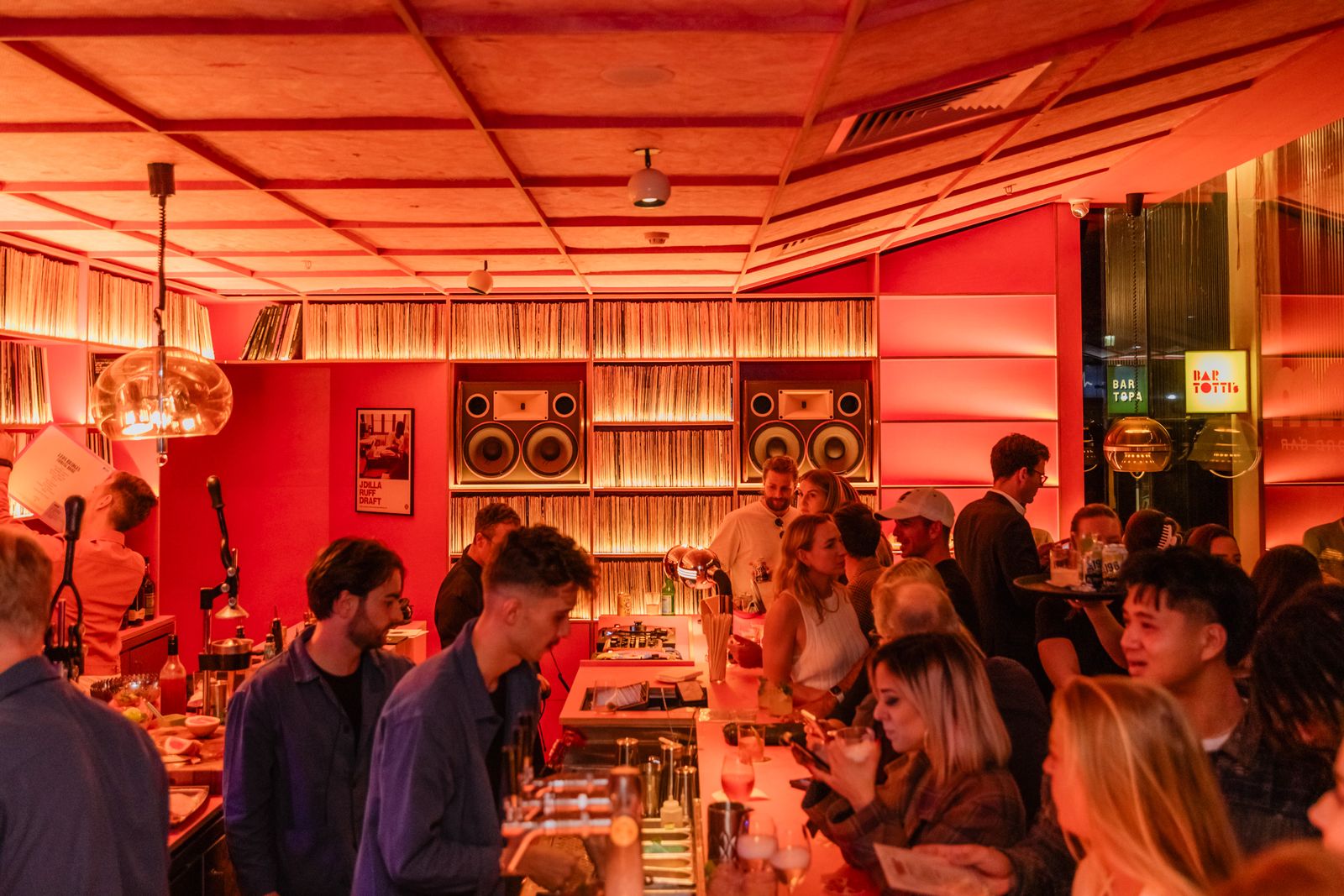
I’m not totally sure how to listen to music anymore. Putting on my bluetooth headphones and pressing play on Spotify—I can’t tell if this is music I chose, or that was selected for me by some algorithm; I’m not certain if I'm enjoying the music, or if it just creates a comfortable cocoon to tune out the noise of the world and other people. With music in my ears, I’m exempted from making eye contact with strangers. It’s a relief, in some ways, but also a loss. I miss the days where crowds would gather around buskers, when a guy with a boombox lit up a public space like a DJ. I miss the quiet solidarities of making eye contact with fellow transit passengers when someone’s breakup was happening loudly two seats down. In the days before the iPhone, iPod, or Walkman, there was the radio; even when listening alone, there was a certain warmth in knowing that there were thousands of other people tuning in with you. When I think back to that, wearing headphones doesn’t just feel lonely—it feels incorrect, like music was meant to do so much more than keep me tucked away.
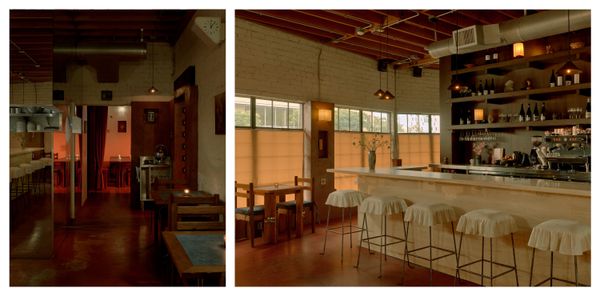
The interiors of Café Tondo in Los Angeles, California, were designed by Aunt Studio and Mouthwash Studios.
Photo by Sean Davidson, courtesy Café Tondo
But you don’t have to be alone in your music or swallow whatever the algorithm feeds you, as listening bars have been on the rise in recent years in cities across the United States and abroad. In Los Angeles’s Chinatown neighborhood, one such spot, Café Tondo, wants you to ditch your headphones. It opened in July last year in a squat, one-story building under elevated train tracks. Lined with red neon piping, the exterior looks almost eerie, like a Hopper painting set to the Twin Peaks theme. Inside, patrons sit at custom booths and small tables amongst moody lighting, minimalist Mexico City-inspired decor, and muted tones while music from a hi-fi system fills the room. Tondo is among the slew of new listening lounges that have become darlings of the global bar and restaurant scene: They’ve been billed as "analog sanctuaries," a balm for booze-free Gen Z, and importantly, an "antidote to loneliness." But beyond these sweeping statements, the listening bar’s current popularity can be attributed to our diminishing public life. Marketed to those who are seeking human connection, these lounges are a critique of our wired culture as an antisocial one; how we passively consume music is a sign that ambiance has become a substitute for culture.
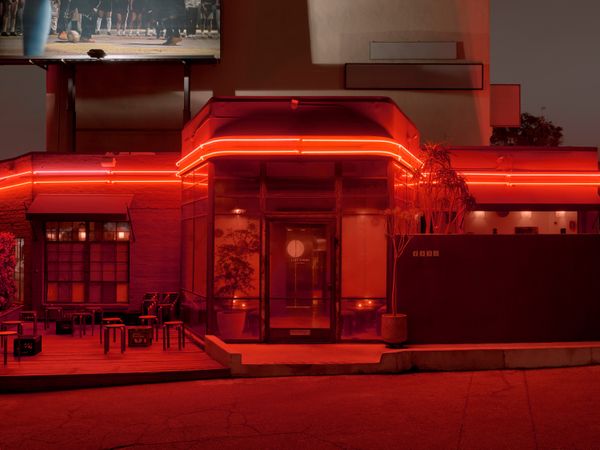
The exterior of Café Tondo makes an impression with its bright-red neon lights.
Photo by Sean Davidson, courtesy Café Tondo
The listening bar isn’t a new concept; its origins stem from Japan nearly 100 years ago and gained prominence in Tokyo’s post-World War II jazz scene. A recent Smithsonian magazine story on the rise of post-pandemic listening bars notes that the 1960s and ’70s revival of Japanese listening cafes, called ongaku kissa, was possible after the U.S. army left the country in the 1950s, abandoning record collections and circuit boards that Japanese DJs turned into hi-fi sound systems for spinning their curated (and often rare) vinyl selections in intimate environments. Citing Tokyo-based filmmaker Nick Dwyer’s 2024 documentary A Century in Sound about Japan’s long-standing kissa culture, the Smithsonian article highlights the spiritual side of the listening bar. "Records have a soul" in Japanese culture, says Dwyer; listening is a way to commune with those who made the record, and its history. While many Japanese listening cafes sell food and drinks, the main purpose is for listening in the presence of others.
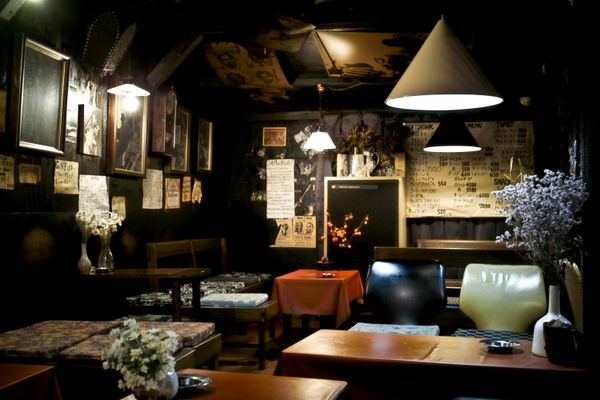
Masako: Jazz & Coffee in Tokyo, Japan, is one of the city’s oldest kissa (jazz cafe).
Photo by Guwashi999 via Wikimedia Commons
See the full story on Dwell.com: Could the Listening Bar Boom Help Solve Our Need for More Third Spaces?
Related stories:

No comments:
Post a Comment