
The Mowbray brothers, entrepreneurs from New Zealand, are purportedly leveraging their toy-empire fortune to import 16 factory-built homes from China.
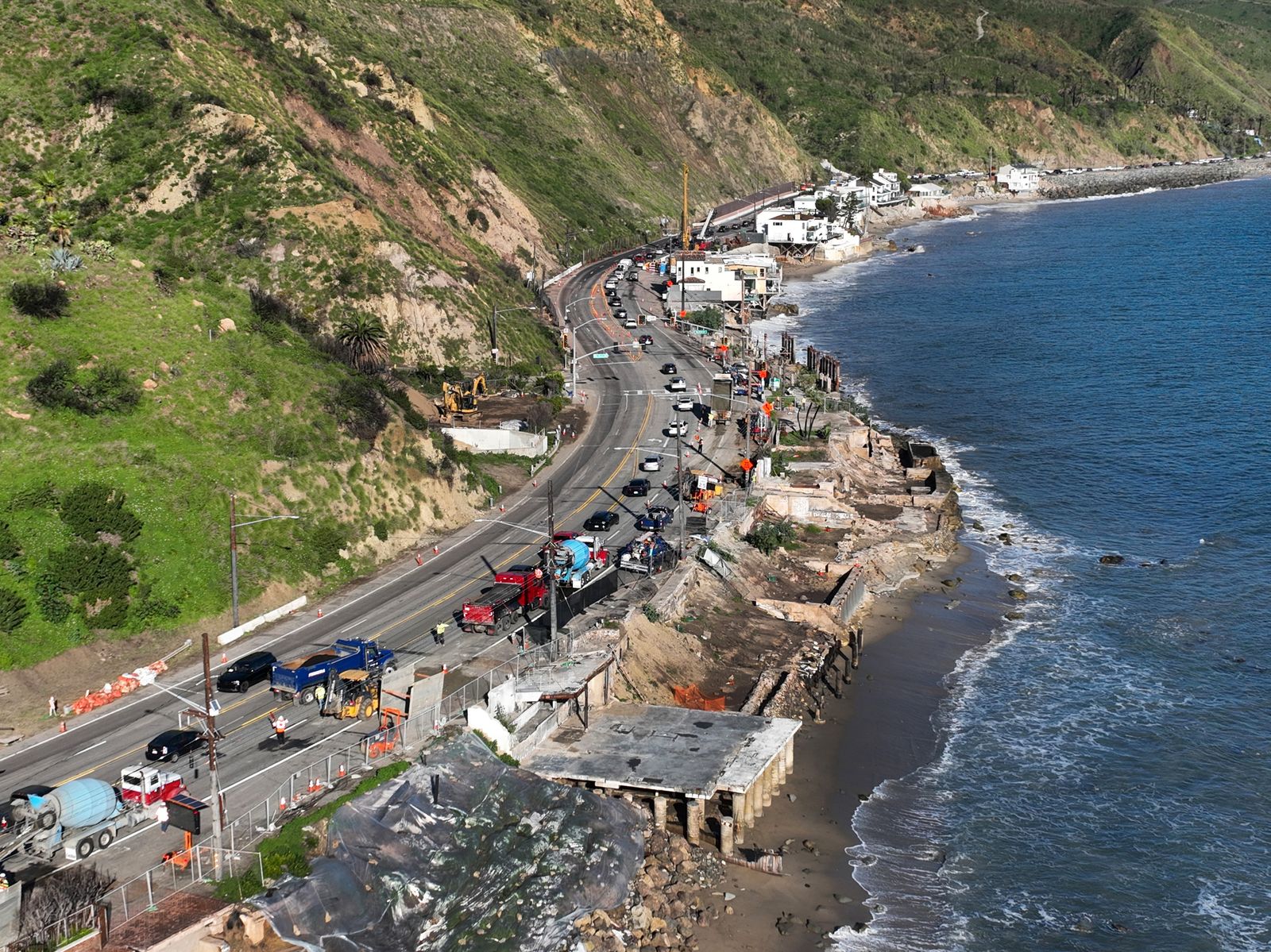
After the Palisades Fire destroyed more than 700 homes in Malibu, a buying spree rippled along the city’s iconic California coast. Sixteen of the 300 beachfront lots damaged in the blaze have now been purchased for nearly $100 million by Nick and Mat Mowbray, billionaire brothers from New Zealand.
The brothers made their fortune by founding global toy company Zuru, which has been repeatedly accused of copying competitors’ designs; in the early days they knocked off a light-up frisbee, and later, made a dart gun resembling one made by Nerf. Today, the Hong Kong–based company is evolving into a vertically integrated consumer-products machine, selling everything from diapers to pet food.
The Mowbrays’ latest business venture, however, is luxury prefab homes, which they plan to build on the 16 lots. Nick Mowbray says Zuru Tech manufactures homes in China and ships globally, a strategy meant to create homes quickly and more efficiently than traditional construction. "How do we solve a much, much, much bigger kind of global problem?" he said in an interview with independent business journalist Madison Malone on her YouTube channel, Business with Madison, in June of 2025. "Construction and property development is the biggest part of global GDP. But it’s been done the same way for hundreds and hundreds of years."
Whether the brothers have prior experience with homebuilding—in California or elsewhere—is unclear. If they have built a single home, it is hard to find evidence it exists; there are currently no permits filed for the 16 properties in Malibu. The brothers have not responded to request for comment.
The Mowbrays’ buying spree and proposed plan for prefab construction has locals closely watching their next steps. "I think it’s intriguing, what they’re trying to do," says Malibu Mayor Marianne Riggins, a lifelong resident since 1968, who remains open-minded about their impact. Malibu City Councilman Steve Uhring isn’t as inviting. "I think as we get further down the line, everybody’s gonna realize the boys from New Zealand are billionaires, they’re in it to make money," he recently told ABC 7.
Across Malibu and the Pacific Palisades, rebuilding efforts in the aftermath of the 2025 fire have varied, and there hasn’t been a one-size-fits all solution. Developers, including the Mowbrays, have purchased around 44 percent of burned lots in Malibu, according to a report by Redfin. At least one grassroots effort has taken a "herd immunity" strategy, with neighbors rebuilding their homes from the same fire-resilient materials to protect entire blocks from future fires.
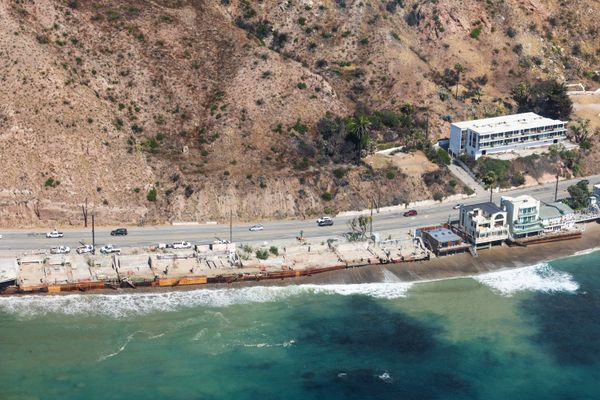
The Mowbray brothers, entrepreneurs from New Zealand, have purchased 16 coastal lots in Malibu for nearly $100 million, saying they want to build luxury prefab homes.
Photo by Myung J. Chun / Los Angeles Times via Getty Images
Prefab and modular homes are a popular way to rebuild in the wake of natural disasters for their promise of speed and affordability. "After the Woolsey Fire in 2018, a handful of people used modular construction" to rebuild, says Mayor Riggins. "So it’s not a new idea." Foundations can be poured while homes are built in a factory, design phases are streamlined, and installation relies on fewer trades. Designs often tout fire resiliency, too; several companies Dwell has covered have promoted their homes specifically for this purpose.
But in Malibu, prefab construction can be plagued by permitting delays. According to Ben Uyeda, a designer, architecture professor, and cofounder of the Reset Hotel in Joshua Tree, which was built with modular construction, prefab builders often face two permitting tracks instead of one: one for the site and another for the factory-built structure. The Mowbrays reportedly estimate it will take 18 months for the permitting process alone before they can begin construction on-site, though it isn’t immediately clear what that timeline consists of.
"It’s intriguing that someone with deep pockets is [building with prefab] because they can sort of take the risk on an assessment more like an entrepreneur than a typical real estate developer," Uyeda says, referring to the Wild West nature of importing entire houses from foreign territory. That also means dealing with more government entities, which can translate to more red tape. In addition, modular housing falls under state—not city—building codes, and "there are cases when a state agency is stricter than local agencies, and local agencies aren’t always that used to dealing with state agencies," says Uyeda. He built Reset Hotel domestically, but says he still faced longer timelines than expected because of choosing to build with modular construction.
The Mowbrays are reportedly aiming to have their first two homes completed by 2027, with all 16 finished by 2029. Other outside developers have been purchasing multiple lots in Malibu, too, which Mayor Riggins does find concerning; as of January of 2026, only 22 building permits had been issued. But whether luxury prefabs or stick-built homes, "it really doesn’t matter who it is that’s purchasing the property," says Riggins. "As long as the people that are living in that property want to be part of the community."
Top photo by Allen J. Schaben / Los Angeles Times via Getty Images
—
Related Reading:
Here Are the Homes Developers Are Building in Altadena
Inside the Community Effort to Affordably and Beautifully Rebuild a New-Old Altadena

No comments:
Post a Comment