
The popular narrative for why there’s an insufficient supply of houses for first-time buyers centers on new construction, but small dollar mortgage policy is a big barrier worth further critique.
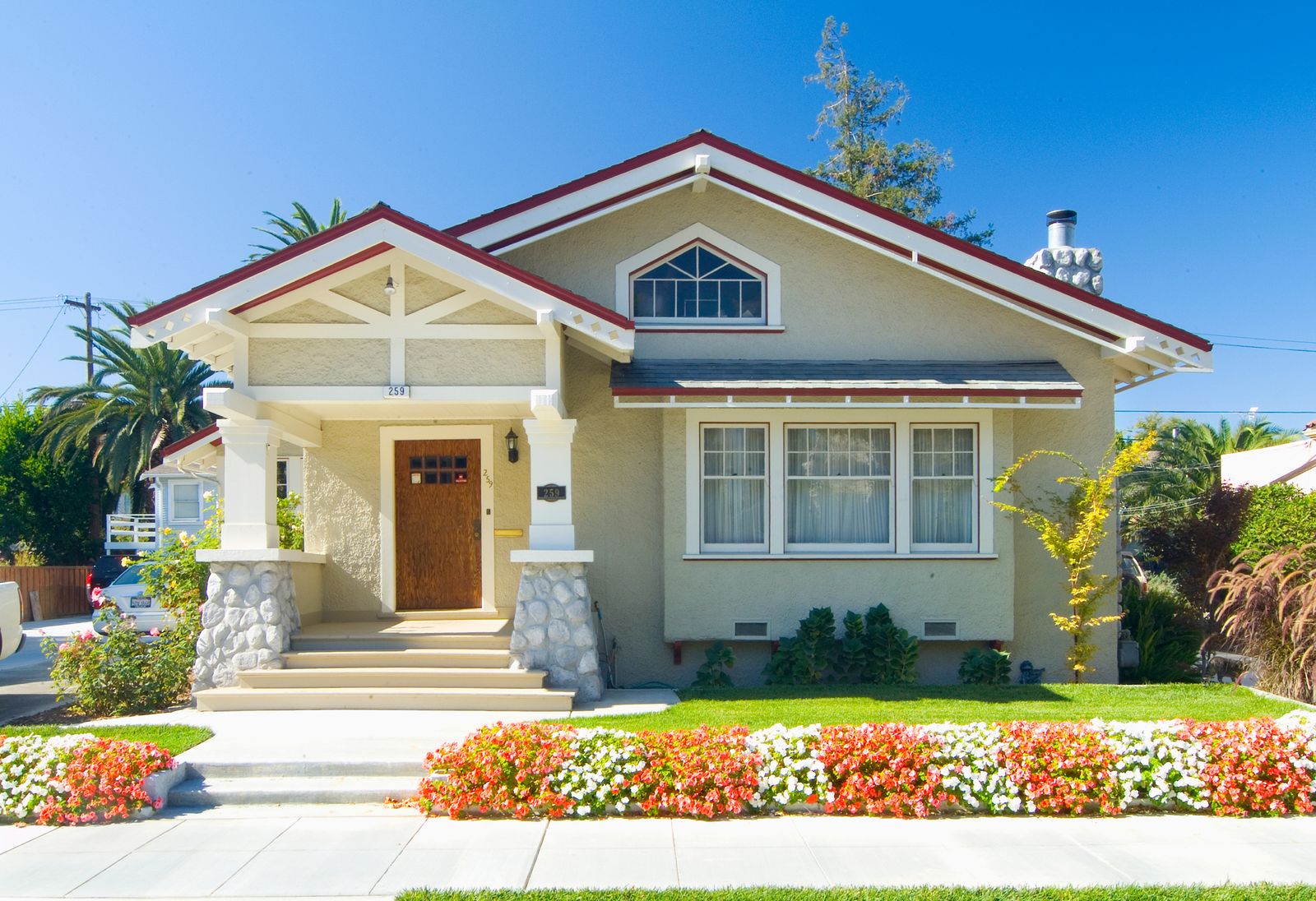
Like a face on the housing milk carton, we’re all wondering where the starter homes have gone. These elusive properties—affordable to those starting out in their careers who need fewer bells and whistles but hope to enter the real estate market—seemed, per recent media coverage, to have disappeared. This month the Washington Post dove into the issue by looking at new construction trends. The New York Times asked similar questions in 2022; NPR did, too, in 2025. Of course, most focus on new construction, where there are many issues at play, like consumer demand, fluctuating material costs, land prices, zoning rules, and more.
America’s housing supply crisis is widely framed as a challenge of new supply, and the solution put forward is to build more homes faster. But this crisis is also a financing problem: In cities across the country, there is already a stock of starter homes—they’re older, and as the Post story notes, many are "on the smaller side, in need of renovation, or both." In decades past, these older houses have served as a gateway to building wealth, keeping pace of even average household incomes. Today, the problem isn’t relegated only to why we’re not building them, but who is deemed worthy to own an existing one in the first place.
Since the Great Recession, new banking regulations have made it far more difficult for working people to finance homes under $200,000—otherwise known loosely as small dollar mortgages. These loans have served an outsized role in ensuring that working-class families can buy a house and begin the long road of building wealth. Though we might like to discuss the possibility of new developments meeting this need, fantasizing over the technologies and construction methods that might one day build a home that a teacher or nurse could afford, the disappearance of small dollar loans has, in the meantime, locked out a swath of homebuyers. Though financing is decidedly less sexy than the aforementioned fantasy of a land of plentiful attainable homes, it forces the question as to what a contemporary starter home might mean in the context of today’s rising construction costs and bloated home sizes.
While residents of major American cities might imagine that inexpensive single family homes are located only in rural areas, data from research and policy think tank New America shows that they exist in every county across the US, especially in mid-size cities: One in five owner-occupied homes across the country are valued at less than $150,000; around a quarter are valued at less than $200,000. Being able to afford a home on a working-class salary or two moderate incomes sounds like a dream, but after the 2009 Dodd-Frank Act that posed new regulations on mortgage lenders was enacted, the loans to help families finance these older houses have mostly disappeared.
"Following the 2008 crash, it became unprofitable for banks to write mortgage loans below a certain threshold because the compliance costs and costs of originating loans increased for banks," says Yulyia Panfil, director of the Future of Land and Housing Program at New America. The cost of writing and origination for a $150,000 loan to buy a humble 1950s bungalow might be the same as a $500,000 loan for a much larger house, but the profit the bank sees from the large loan is far higher. "So what we have seen over the last 15 years is a significant drop off of banks making these small loans, and the result is that you have all of these families who otherwise would qualify for these homes, but they’re locked out of them because they can’t get the mortgage financing."
To make matters worse (and infinitely more complex), borrowers are now more strictly screened for lending. Research by Kevin Erdmann, a journalist and senior affiliated scholar with the Mercatus Center at George Mason University, shows that borrowers with credit scores lower than 760 were regularly approved for mortgages prior to the Great Recession. Between 2007 and 2009, that number of approvals dropped by more than half. Some might say this was the right move after popular messaging during this time blamed the county’s housing collapse on lower income buyers who bought nicer homes than they could afford. To put it in perspective, though, 760 is only 60 points higher than the average American credit score. We not only reduced the number of people who might otherwise qualify for a mortgage, but also made it far more difficult for them to buy a house that would actually be in their price range. FHA loans—government-insured mortgages from private lenders, that have historically helped those first time buyers, and those with lower credit or savings— are designed to address these populations, though a report by the Urban Institute shows that denial rates for loans under $100,000 are nearly 10 percentage points higher than all other FHA mortgages.
Some might wonder why homebuyers wouldn’t just purchase a cheap house in cash—turns out, many do. The Pew Research Center reports that, while small-dollar homes accounted for more than a quarter of total sales from 2018 to 2021, only 26 percent of properties that sold for less than $150,000 were financed using a mortgage, compared with 71 percent of higher-cost homes. But those homebuyers overwhelmingly aren’t first-time homeowners; the decline in small-dollar mortgages has instead created opportunities for investors to gulp up the market.
In 2020, nearly 79 percent of homes selling for more than $100,000 were purchased by owner-occupants, according to the Urban Institute report; though 13 percent of all homes sold went for less than $100,000, only half of these were purchased by owner-occupants. Erdmann has been ringing this bell for more than five years: He has examined real estate dynamics to demonstrate how dramatic shifts in mortgage access have impacted the investor market. In Atlanta, he writes, the 2008 recession hit poorer neighborhoods (where more residents rely on access to credit) harder, and home values dropped precipitously.
The result, says Panfil, was the rise in corporate landlords. "A large portion of the purchases are by larger investors who are either holding those homes off the market as a speculative asset, or they’re turning those homes into rental properties," she says. Homes that were once occupied by longtime owners then begin to decay under corporate stewardship. "Often with the homes being owned by out of state landlords, anecdotally, we hear complaints that they’re not as responsive in fixing up the homes and maintaining them," she continues.
Even if a private homeowner were to find a lender to buy one of the many cheaper houses on the market, the home may not even appraise after years of investor neglect. As the Post hints, the quintessential starter home likely needs work, and while fixing up an old home sounds romantic, many of these houses might require major repairs to pass inspection, says Panfil. Repair loans are also hard to come by; Ben DeBoer, a mortgage broker and founder of Reside Home Loans, describes renovation loans—which help to acquire the property and renovate that property up to livable standards—as more "complicated and expensive."
"Let’s say it was a $50,000 renovation, and you wanted to use a conventional renovation loan, you better bet on somewhere around $5,000 of extra closing costs above and beyond normal, and an interest rate that’s probably .75 percent higher," he explains. It makes little sense then for an everyday homebuyer to take on the difficult task of renovating a house they might otherwise afford, leaving investors to pick at the carcass of our once-vibrant starter home market and make the minimum repairs.
"What it does incentivize with those cash buyers and corporations is the flip that everybody fears, where they buy it, they put lipstick on it and try to sell it, and you end up not actually adding good value to the neighborhood," DeBoer adds. And those bad-faith flips can have much broader impacts. "Since lower tier homes have been underpriced, investors have incentives to buy those homes and fix them up so they are nice enough to attract high-end buyers in the market that isn’t underpriced," Erdmann writes, leading to an inevitable wave of displacement. It’s hit communities of color especially hard, says Panfil. The country’s pervasive and widening racial wealth gap has ensured that many would-be homeowners fall into this small dollar price range.
It’s an unintended consequence of regulations that were designed to prevent another Great Recession. Perhaps when lawmakers envisioned these restrictions, they never imagined the supply crunch we have now, or believed that wages would rise alongside housing costs, allowing working families to afford newer homes. The question isn’t where the starter homes have gone—the starter homes of the past are still the starter homes of today. The difference is that the teacher or nurse, the working people who once had the doors of homeownership opened to them have seen those same doors slammed shut. Panfil emphasizes that there are reasons to be optimistic, however, as solutions abound. Regulatory fixes, ways to streamline processes to reduce mortgage origination costs, developing new products that reduce barriers to renovation, and more. Building more homes will certainly secure the starter homes of the future, she says, but "we can unlock existing starter homes for people all over the country today."
Top photo by Douglas Keister via Getty Images.
Related Reading:
How Millennials and Gen Zers Are Buying With Friends Amid Impossible Home Costs

No comments:
Post a Comment