Live Like Royalty in This $3.2M "Castle" on the California Coast

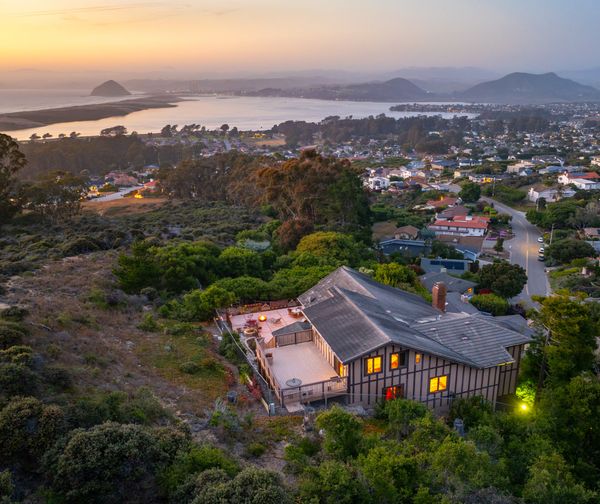
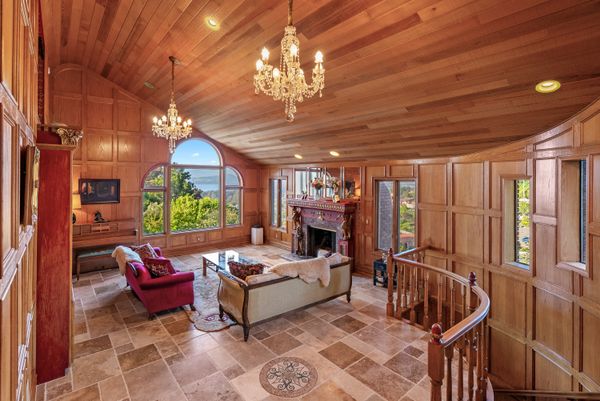
Built in 1990, the ornate, Bavarian-style mansion is filled with decorative woodwork, chandeliers, and ocean views.

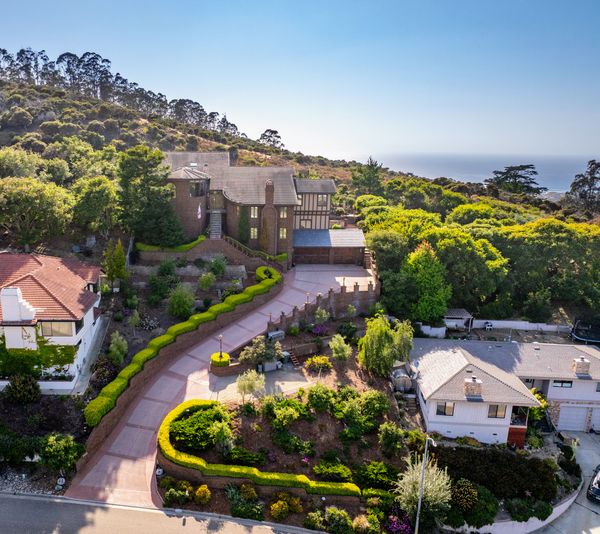
The residence has gardens, lounging areas, and gardens.

Location: 2743 Rodman Drive, Los Osos, California 

Price: $3,175,000

Year Built: 1990 

Footprint: 5,200 square feet (4 bed, 4.5 bath)

Lot Size: 0.41 acres 

From the Agent: "Tucked into the coastal hills of Los Osos, this truly one-of-a-kind estate was inspired by classic European design and modern California living. Set high on a hill with sweeping views and complete privacy, the 5,200-square-foot residence unfolds as a series of spaces designed for gathering and retreat. The house has been fully restored to preserve its character while upgrading major systems. Arched doorways, handcrafted details, and warm natural materials create a sense of timeless character rarely found on the Central Coast. Multiple living areas, a chef’s kitchen, wine storage, and expansive indoor/outdoor flow make the home equally suited for entertaining or quiet coastal living. Located just minutes from Morro Bay, Montaña de Oro, and San Luis Obispo, yet worlds away in feel, this property offers a unique blend of accessibility and seclusion. It is ideal for a private coastal residence, a second home, or a boutique wellness retreat."

The residence was completed by designer-builder Andy Horther.

The residence was conceived by designer and builder Andy Horther. 

Photo by TriMotion Media, Triston Ioppini

The residence has gardens, lounging areas, and gardens.

The home is constructed from locally sourced wood, stone, and brick. 

Photo by TriMotion Media, Triston Ioppini

Photo by TriMotion Media, Triston Ioppini

See the full story on Dwell.com: Live Like Royalty in This $3.2M "Castle" on the California Coast
Related stories:

The Urban Swimming Revolution Is Here

Across a growing number of European and American cities, people are taking back their waterways.

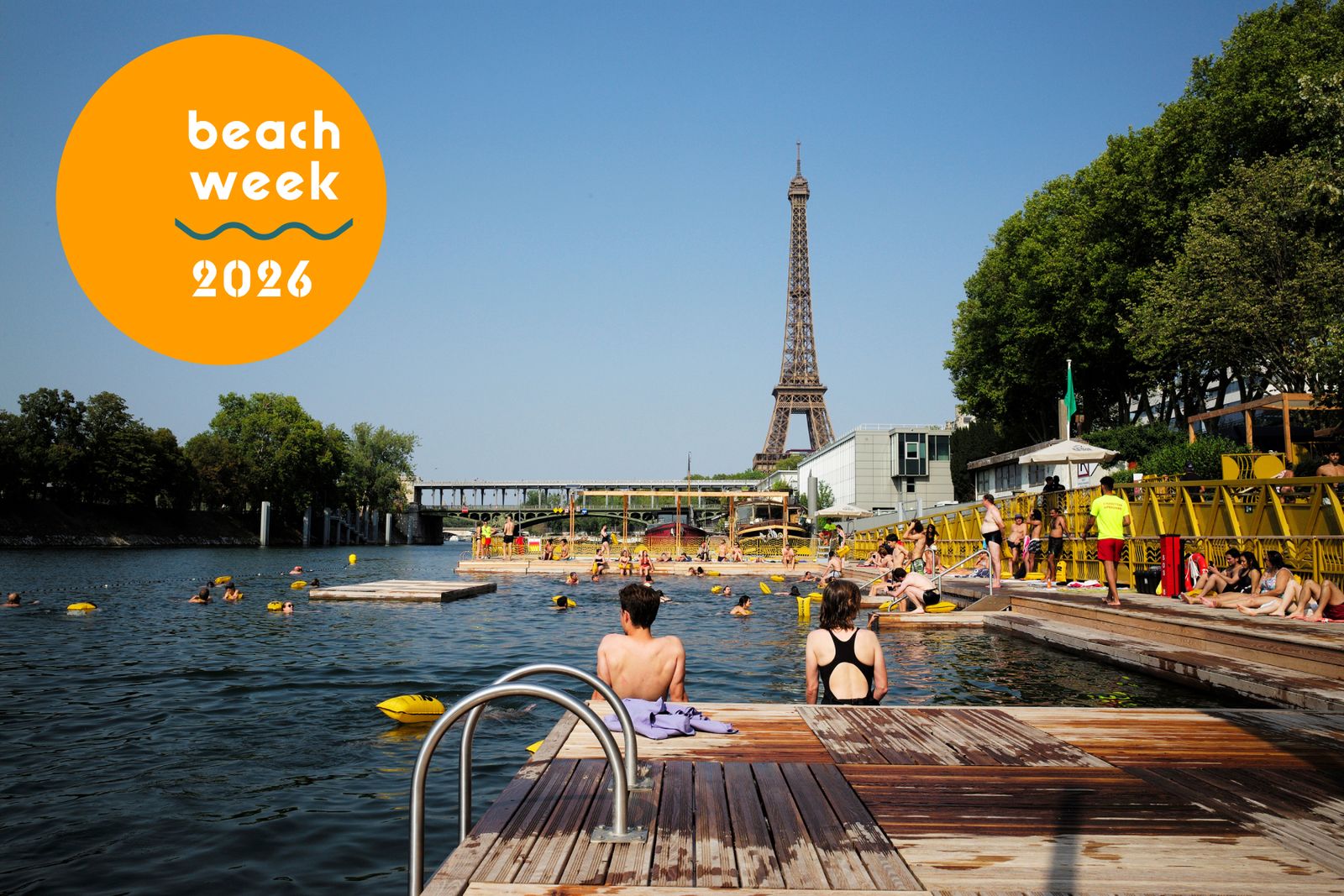
Welcome to Beach Week, our annual celebration of the best place on Earth.

When the temperature rises, it seems half of Portland, Oregon, gets the same idea: Let’s head down to the Willamette. It’s no wonder—it’s the sweetest water for miles, and the banks of this wide, chill river have become the city’s outdoor living room. "Everyone gathers at the downtown beaches with their kids and their dogs, swimming and paddleboarding, jumping off the docks," says Amy Souers Kober, vice president of communications at natural conservation group American Rivers, and regular swimmer in downtown Portland. "The natural open water is just beautiful. It’s a really neat way to experience the place you live." A lot has changed on those banks in the past 20 years—the Willamette has gone from being heavily polluted and illegal to enter, to safely welcoming swimmers. "If you live in downtown Portland, this is part of our quality of life," says Kober. "The Willamette is our natural space. It feels great to be in it."

After being unswimmable for decades, major cleanup efforts have transformed the waters of Portland into an American success story alongside cities like Washington, D.C., Boston, San Antonio, and Chicago, which just had its second annual Chicago River Swim. In the global push toward urban open-water swimming, cities like Copenhagen, Oslo, Amsterdam, Munich, and Zurich and Basel have led the way in clearing their waterways of sewage, agricultural runoff, and industrial waste to make swimming part of city culture. All over the world, inner-city waterways are now being reclaimed for swimming and water sports, spurred on by Paris declaring the River Seine open for swimming for the first time in a hundred years, just in time for the 2024 Olympics. It was a moment that made many city dwellers across the world sit up and ask questions—who is our river really for? And why can’t we swim in it?

Swimmers on a dock on the Willamette River in Portland, Oregon.

Swimmers lounge on a dock on the Willamette River in Portland, Oregon.

Photo by Ann Suckow via Getty Images

Willie Levenson first asked himself these questions when he moved to Portland in 1996 and found that locals considered the river a write-off. "I was told to never put your toe in the Willamette or you’d grow horns and your skin would flake off," he says. "When I first started talking about swimming in the Willamette, ninety-nine percent of Portland thought I was a lunatic."

Swimming used to be popular in the Willamette before being banned in 1924, as the river became increasingly saddled with sewage overflows and unfiltered factory discharges. Things started looking up in the 1990s when legal nonprofit Northwest Environmental Advocates used the Clean Water Act to compel the city to address the problems. The result was Portland’s 20-year Big Pipe project, completed in 2011 to the cost of $1.4 billion, which ensured the city’s waste no longer enters the waterways untreated. Except on a few stormy days in winter (when the City will issue notifications), the Willamette routinely comes up good and safe for swimming.

Levenson went on to become the founder of the grassroots advocacy group Human Access Project, which has worked tirelessly for 16 years to promote river swimming for Portlanders. "Multiple generations have been taught to feel shameful and hopeless about our urban river spaces, and it takes a lot of work to get people to think about it differently," he says. This is why Human Access Project started out by organizing what they called "recreational protest swims" in the Willamette in the years after the cleanup when entering the river was still illegal—to draw attention to the fact that since the cleanup, the water is safe and the rules needed changing. The transition was gradual; Portland got its first official beach in 2017, and swimming only became fully legal in 2022. But today, anyone can join the River Huggers, the one-time trespassers, as they swim across the Willamette six days a week, right next to the downtown Hawthorne Bridge.

The story of the Willamette is similar to that of many other major cities, where the rivers are often cleaner today than in decades, but people still harbor feelings of urban waters being dangerous and to be avoided. "People protect what they love, so the first step is getting them to see that rivers are assets with value," says Levenson, who describes himself as "a river plunker" rather than a fitness swimmer—"somebody who hangs out on a dock or a beach and sits around until they get hot, then jumps in and cools off." For Levenson, the river is a "liquid public space" for communities to get together. "Cell phones don’t work as well there, and people are generally dressed the same," he says. "It’s just a great way to bring people together."

The City of Portland is a member of the Swimmable Cities initiative, which launched two years ago as an international support organization to inspire and share resources for making urban waterways safe to swim in. After taking off in Europe, the group now has members around the globe, including several recent joiners across North America. Right now the signatories include 237 organizations across 115 cities and towns in 37 countries, including, in the U.S., places from New York City, Baltimore, and Milwaukee to McCall, Idaho.

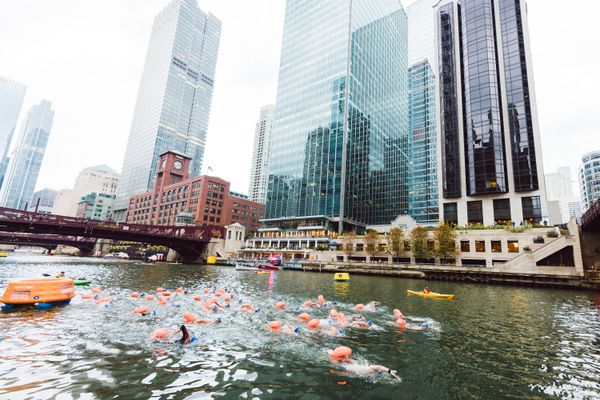
A view of the 2025 Chicago River Swim.

A view of the 2025 Chicago River Swim, which marked the city’s first such event in a century.

Photo by Chris Costoso, courtesy Chicago River Swim

Urban swimmers’ barriers to entering the water usually start with sewage overflows and pollution. "The fundamentals are all very similar," says Swimmable Cities cofounder Matthew Sykes. Long before the initiative launched, cities like Copenhagen and Amsterdam became beacons for urban swimming after spending more than a decade cleaning not only the cities’ waters but the entire systems around them, from preventing sewage spills during rainstorms to compelling individuals to install filters on their houseboat pipes. It’s not cheap—Paris spent nearly €1.4 billion to get the Seine up to scratch, including building a giant stormwater basin. Cleaning the water is just one of the Swimmable Cities initiative’s seven enabling conditions, which also includes cooperation and investment partnerships. And even with everything else in place, campaigners often run into red tape and fearful city officials worried about drownings. "We need to create the social infrastructure of swimming too, with learn-to-swim programs and education about swimming outdoors," says Sykes.

U.S. cities do, however, have some unique challenges. In Annapolis, the state of Maryland spent over $4.8 million to buy back a piece of Chesapeake Bay waterfront that once served the Black community during segregation, in a move that recognized how historic racial barriers to accessing water can still be felt in present-day inequalities. "We also hear a lot more about privatization of waterfronts in the U.S.," says Sykes, explaining that while people may be allowed to walk next to the water, swimming on private land is frequently forbidden due to liability fears.

In New York’s Lower Manhattan, access to the water is so restricted that swimming organizers take people out on boats for Statue of Liberty swims. "Starting from land would be a safer and better experience, but with very few exceptions, that’s not permitted," says Deanne Draeger, founder of UrbanSwim, which organizes open water swims across the five boroughs while campaigning for safe access to local waters. This includes teaching people about water safety, as the Hudson and East Rivers have strong currents: "Downtown Manhattan is a very busy area in terms of water traffic," says Draeger. "And if you don’t understand how the tides and currents work, it can be very dangerous."

New York City’s rivers are much cleaner than they used to be, but there’s still a lot of work to do. Last year, the state’s Department of Environmental Conservation proposed to reclassify the vast majority of the city’s waterways as "swimmable," but there are still too many days when rain triggers sewage overflows (in most cities, a good rule of thumb is to steer clear for 48 hours after a big rain). Still, despite what many New Yorkers think, it’s often safe to swim, at least in the summer—just keep a close eye on the test reports.

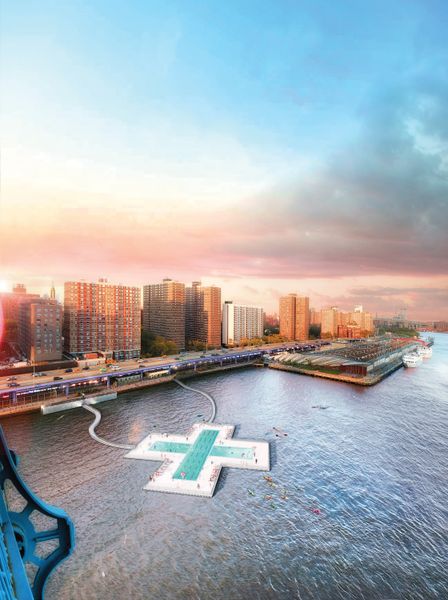
A rendering of the long-awaited +POOL in New York City.

A rendering of the long-awaited +POOL in New York City.  

Photo by Luxigon, courtesy of Friends of +POOL

See the full story on Dwell.com: The Urban Swimming Revolution Is Here
Related stories:

Lounging Is Mandatory at This Curving Concrete Beach House in Baja

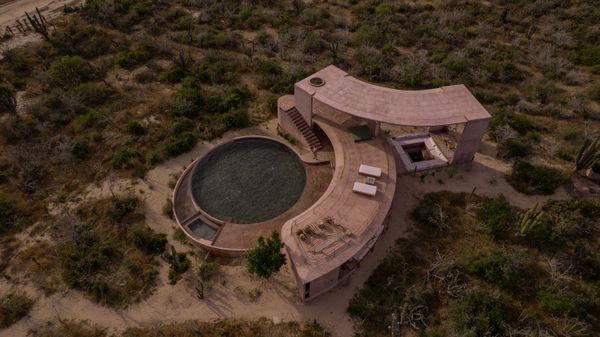
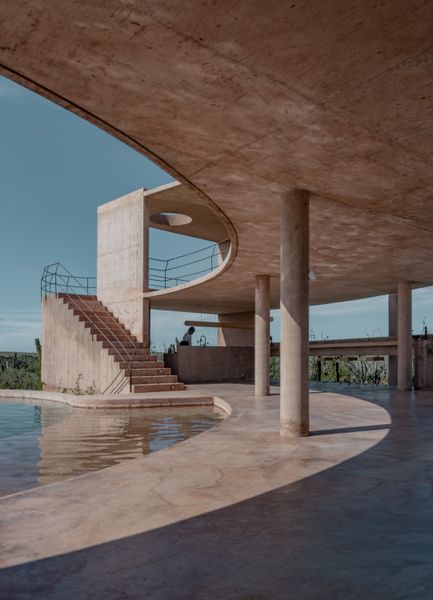
A conversation pit, a wading pool, several rooftops, and standalone bedrooms with a view: this Todos Santos retreat is built for relaxmaxxing by the Pacific.

Houses We Love: Every day we feature a remarkable space submitted by our community of architects, designers, builders, and homeowners. Have one to share? Post it here.

Project Details:

Location: Todos Santos, Mexico

Architect: Studiofont

Footprint: 6,450 square feet

Structural Engineer: Fernando Calleja

Mechanical Engineer: FREMER

Lighting Design: KOVA

Photographer: Alberstudio

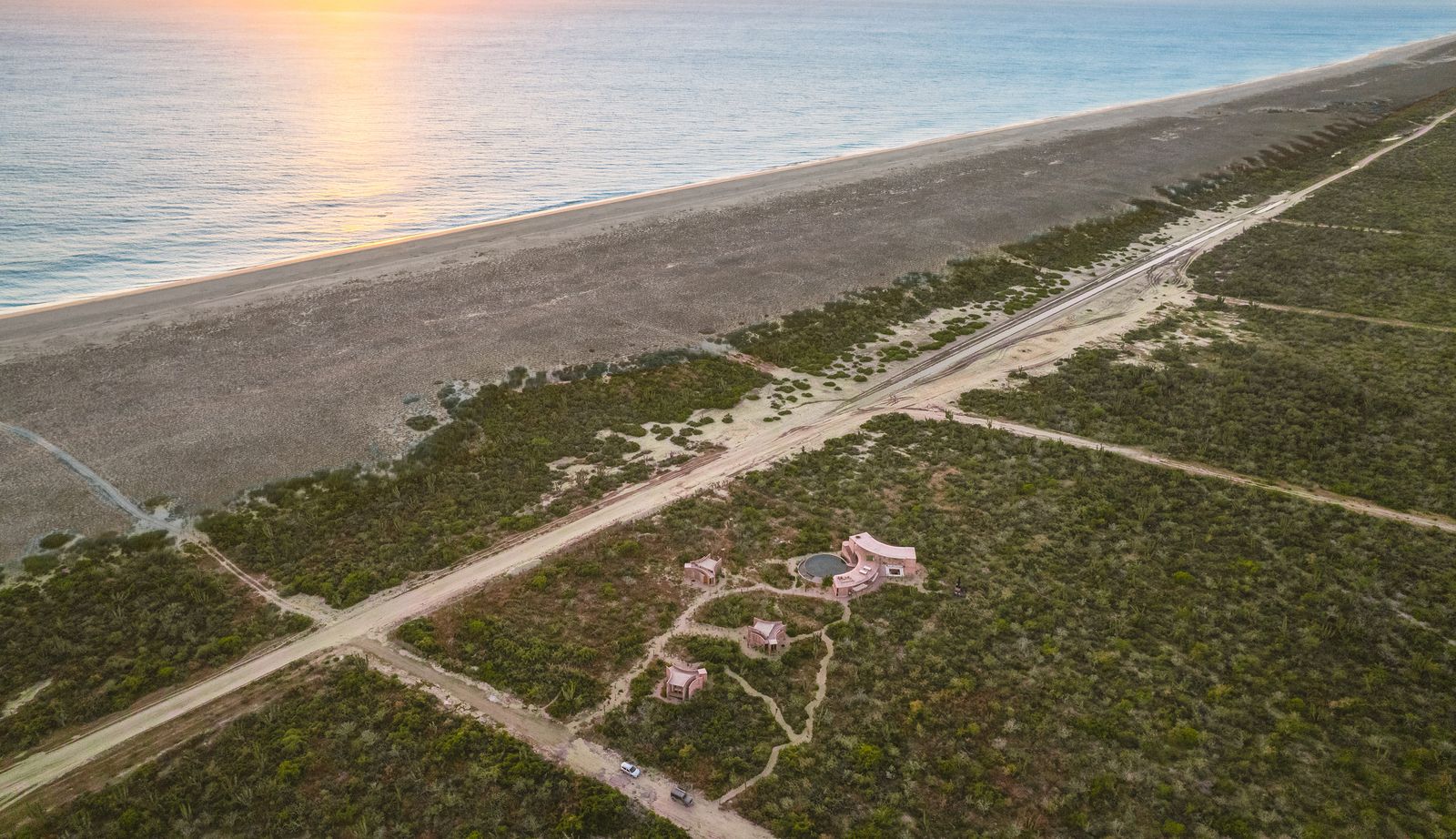
From the Architect: "Nereidas Design House is an architectural project located in the desert landscape of Baja California. Situated near Todos Santos, the project occupies a 6,458-square-foot plot characterized by cacti and uninterrupted views toward the Sierra de la Laguna Mountains and the Pacific Ocean. The project is conceived as a house broken into architectural pieces, a fragmentation that allows each inhabited unit to secure privacy while establishing a specific and deliberate visual relationship with the surrounding landscape. This strategy distributes domestic life across the site, avoiding a single enclosing volume.

"The house is articulated through a set of private rooms and a shared structure, arranged to balance containment and openness across the site. Individual spaces are oriented toward precisely framed views, while the collective areas extend longitudinally, engaging the full breadth of the landscape and accommodating shared use. There are three private units across the landscape, conceived as a single continuous interior in which sleeping, resting, and bathing coexist without subdivision. Curved interior walls open onto three distinct windows, each framing a different portion of the landscape and generating specific atmospheres within the same room. Beds, seating, storage, and bathrooms are integrated into the architectural envelope, allowing each activity to relate to its own visual field while remaining part of a unified spatial volume. Access to the roof extends inhabitation vertically, reinforcing a direct connection between private space, sky, and horizon.

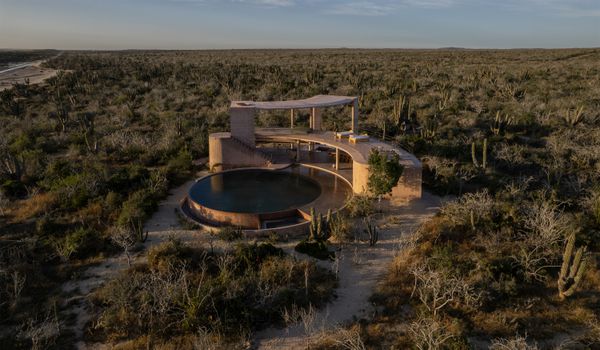
"The shared structure forms the primary collective space of the project. Its configuration is defined by two crossing roofs that unfold a double-height firepit and a cascading cylindrical pool, and creating distinct settings for gathering, dining, and rest. Fully open along its length, the structure establishes continuous visual and spatial alignment with the desert. Overlapping planes generate deep shade, while changes in height guide movement through space without the use of conventional partitions.

"The architecture is built entirely in pigmented concrete, used simultaneously as structure and finish. The pink tone gives warmth to the material, allowing the building to register variations in light throughout the day and intensifying the contrast with the surrounding vegetation, particularly after rainfall, when the landscape becomes visibly greener.

"Environmental systems are integrated into the project’s design. The house operates fully off-grid: electricity is generated through photovoltaic solar panels, and a thermosolar system provides hot water. Water reuse strategies reduce demand on local resources, and all vegetation displaced during construction was replanted on site, maintaining continuity of the existing desert ecosystem."

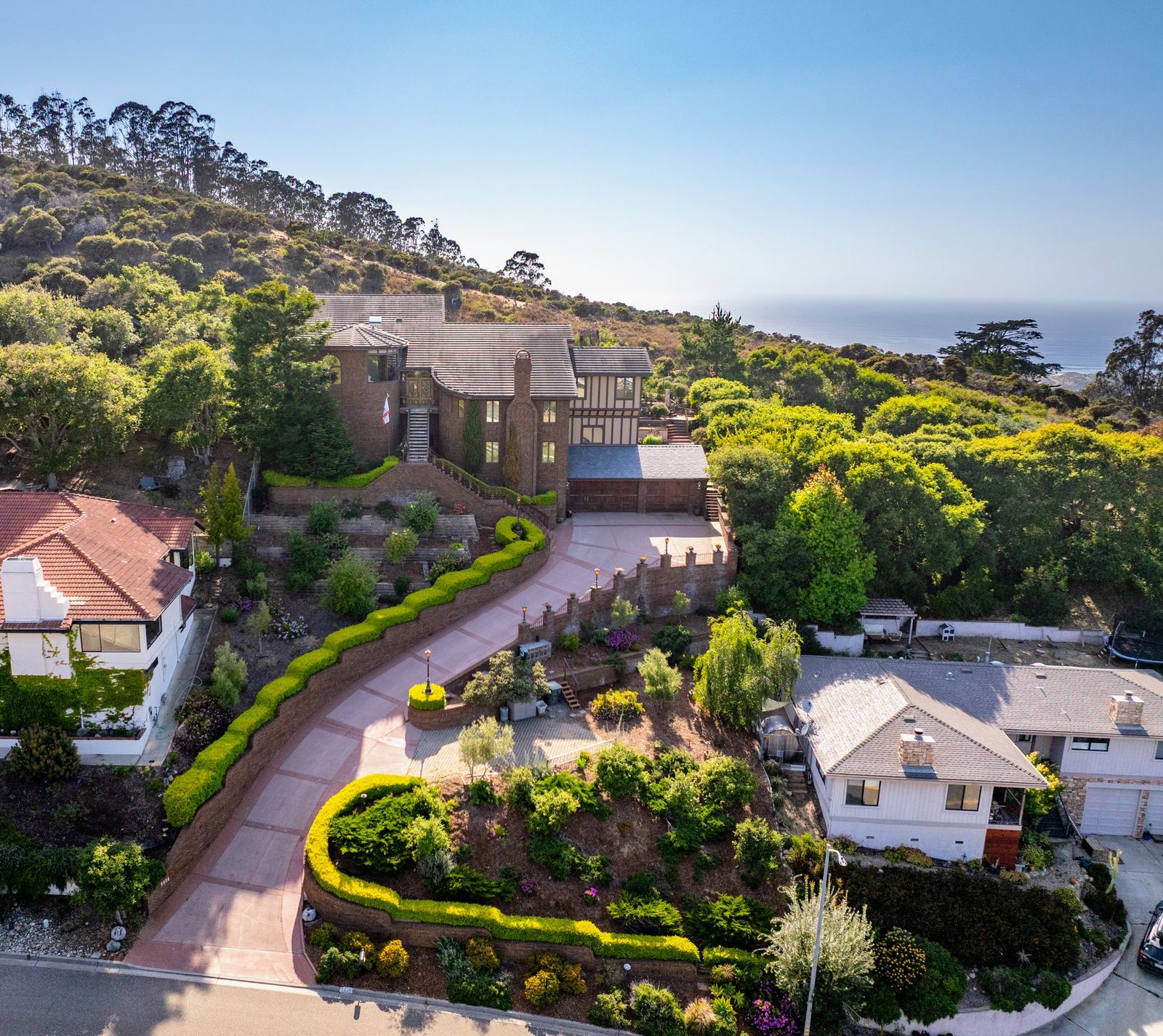
Photo by Alberstudio

Photo by Alberstudio

Photo by Alberstudio

See the full story on Dwell.com: Lounging Is Mandatory at This Curving Concrete Beach House in Baja
Related stories:

Budget Breakdown: This $167K Chilean Prefab Isn’t Your Typical Surf Shack

"Quality was controlled to the maximum," says architect Nataša Stanaćev. "The result is a home with finishes that are—I would say—almost luxurious, yet achieved without the use of luxury materials."

Welcome to Beach Week, our annual celebration of the best place on Earth.  

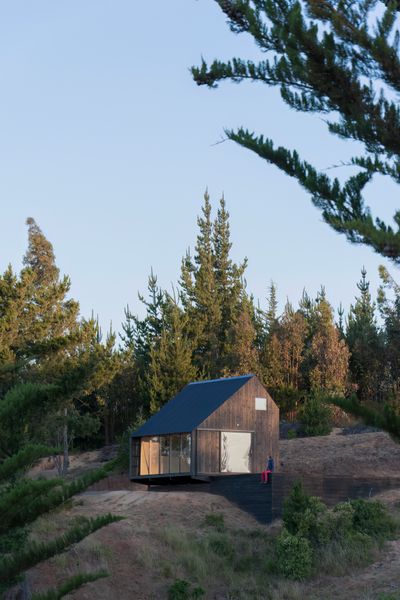
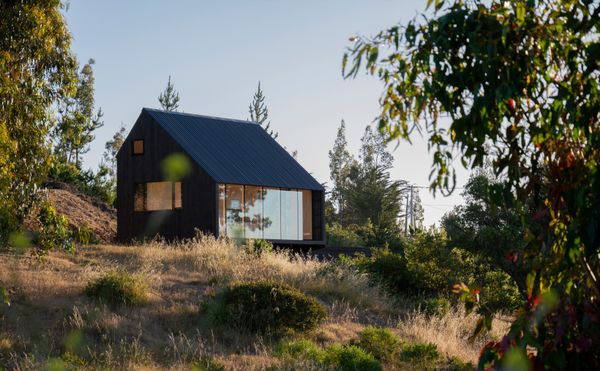
This compact coastal cabin in Matanzas, a village on Chile’s craggy central coast, is not your typical prefab. It was designed by Stanaćev Granados, an architecture duo known for their highly expressive minimalist residences, and it was built at a nearby workshop by an independent contractor and his three trusted workers. In other words, the endeavor was unusually bespoke. But it did achieve the client’s goal of reducing the cost and time of traditional construction.

"This was a fun project because it was an attempt at prefabrication, which is a very industrial process, but it became something very boutique," says architect Nataša Stanaćev, who helms Stanaćev Granados with Manuel Granados, her partner and husband. 

This 376-square-foot cabin in Matanzas, a rugged coastal area of Chile popular among kite surfers, was designed by local studio Stanaćev Granados.

This 376-square-foot cabin in Matanzas, a rugged coastal area of Chile popular among kite surfers, was designed by local studio Stanaćev Granados.

Photo: Manuel Granados

The story began with a forested 1-acre plot on a hill with distant views of the Pacific. Raúl Castellazzi, an Argentine tech professional based in Santiago, had bought it for $67,000 about a decade earlier. "I fell in love with the place," he says of Matanzas. "I thought it was magical to have the sea, hills, and forests, all together." As a single guy and avid kitesurfer, he imagined building a basic crash pad for weekend trips from the city.

He initially considered a prebuilt tiny house, but his neighbor, an engineer and contractor named Florent Dromard, proposed a more custom option: fabricating timber panels at his workshop and assembling them on-site. Florent’s friends at Stanaćev Granados could design the structure. "I knew how innovative they were, and since Florent enjoyed working with them, it seemed like the perfect trifecta," says Raúl.

The homeowner, Raúl Castellazzi, is a young tech professional who wanted a simple place to crash during his frequent trips from Santiago to the sea.

The homeowner, Raúl Castellazzi, is a young tech professional who wanted a simple place to crash during his frequent trips from Santiago to the sea.

Photo: Manuel Granados

Knowing that the goal was to build something very small and affordable, the architects drew a 370-square-foot lofted cabin made almost entirely of plywood panels. The panels were cut to specification at Dromard’s workshop, a modest space that barely accommodated the larger pieces. Once on-site, they were glued to the timber framing—there are no visible screws or nails—to create a seamless look.

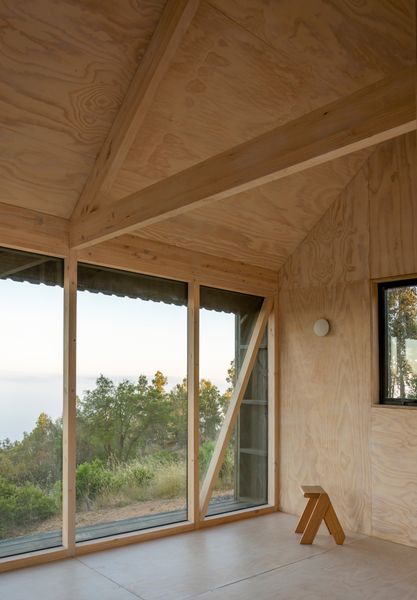
The interior of the cabin, with its 19-foot-tall pitched ceiling, is covered in plywood panels that were glued to the structure’s wood frame—no nails or screws—to achieve a clean, seamless look.

The interior of the cabin, with its 19-foot-tall pitched ceiling, is covered in plywood panels that were glued to the structure’s wood frame—no nails or screws—to achieve a clean, seamless look. 

Photo: Manuel Granados

See the full story on Dwell.com: Budget Breakdown: This $167K Chilean Prefab Isn’t Your Typical Surf Shack
Related stories:

In British Columbia, an Off-Grid Island Cabin Just Surfaced for $2M

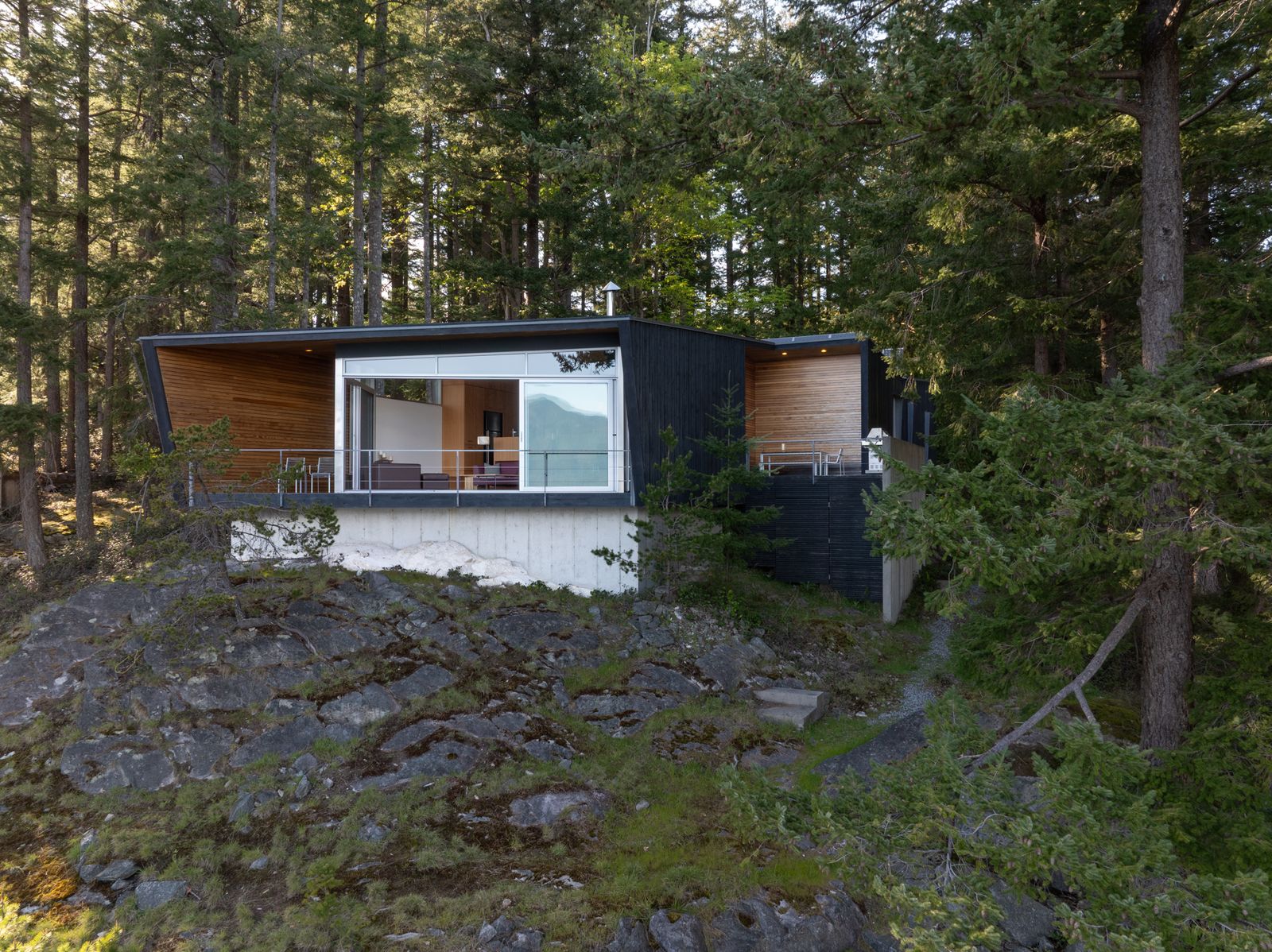
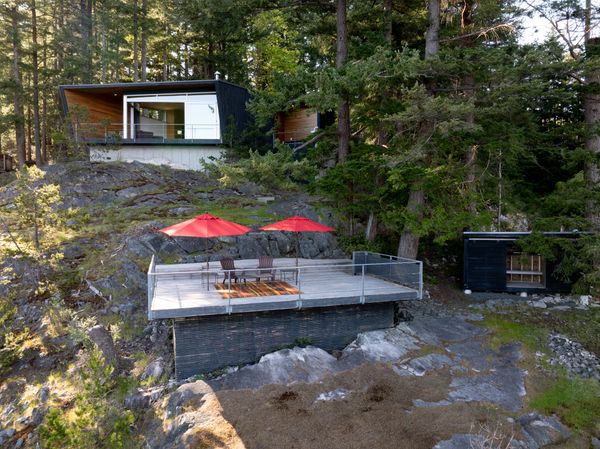
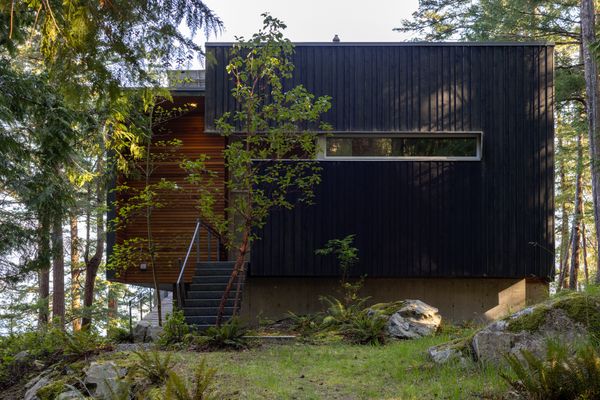
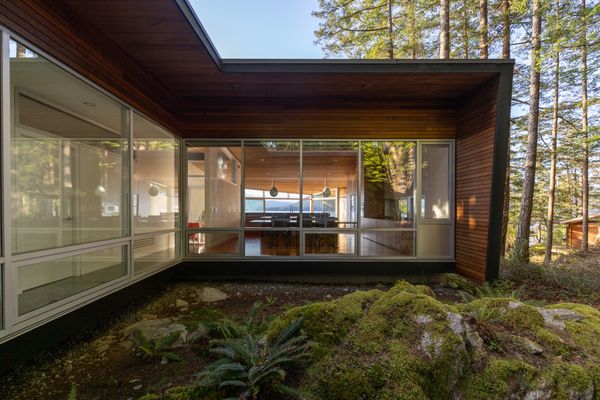
Designed by BattersbyHowat Architects, the boat-accessible residence is perched on a rocky site with views of Horseshoe Bay.

Designed by BattersbyHowat Architects, this boat-accessible residence is perched on a rocky site with views of Horseshoe Bay.

Location: 671 Bowen View Road, Gambier Island, British Columbia, Canada

Price: $2,850,000 CAD (approximately $2,016,375 USD)

Year Built: 2005

Architect: BattersbyHowat Architects

Footprint: 2,009 Square Feet (3 Bedrooms, 2 Baths)

Lot Size: 0.49 Acres

From the Agent: "Here’s a rare architectural home on Gambier Island. Just 20 minutes from Horseshoe Bay, arrive at your private dock and leave everything else behind. Designed by BattersbyHowat and constructed by custom builder Hart Tipton Construction, this one-of-a-kind home masterfully tames the rugged landscape with bold architecture and seamless indoor/outdoor flow. A stunning three-bed layout wraps around a sun-filled courtyard, flooding the home with natural light all day. Warm, refined interiors feature Douglas fir floors and millwork, hemlock ceiling panels, and sleek aluminum curtain wall windows. The home feels sheltered and quiet, while still maintaining a strong connection to the water and rugged landscape. The design for privacy includes many thoughtfully placed windows that give tailored natural light and focused tree views, and the south-facing exposure delivers unreal sunrises and glowing sunset skies."

BattersbyHowat designed the cabin to sit gently amidst the existing landscape.

BattersbyHowat designed the cabin to sit gently amidst the existing landscape.

Photo by Alena Machinskaia at InFrame

Photo by Alena Machinskaia at InFrame

Photo by Alena Machinskaia at InFrame

See the full story on Dwell.com: In British Columbia, an Off-Grid Island Cabin Just Surfaced for $2M
Related stories:

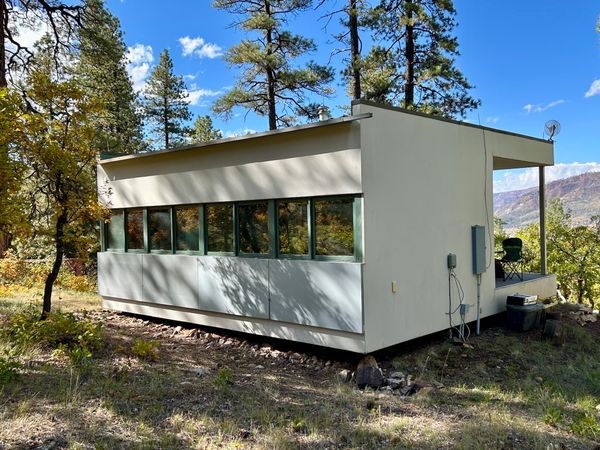
In Colorado, $1.8M Will Get You a Tiny House on a Massive 35-Acre Lot

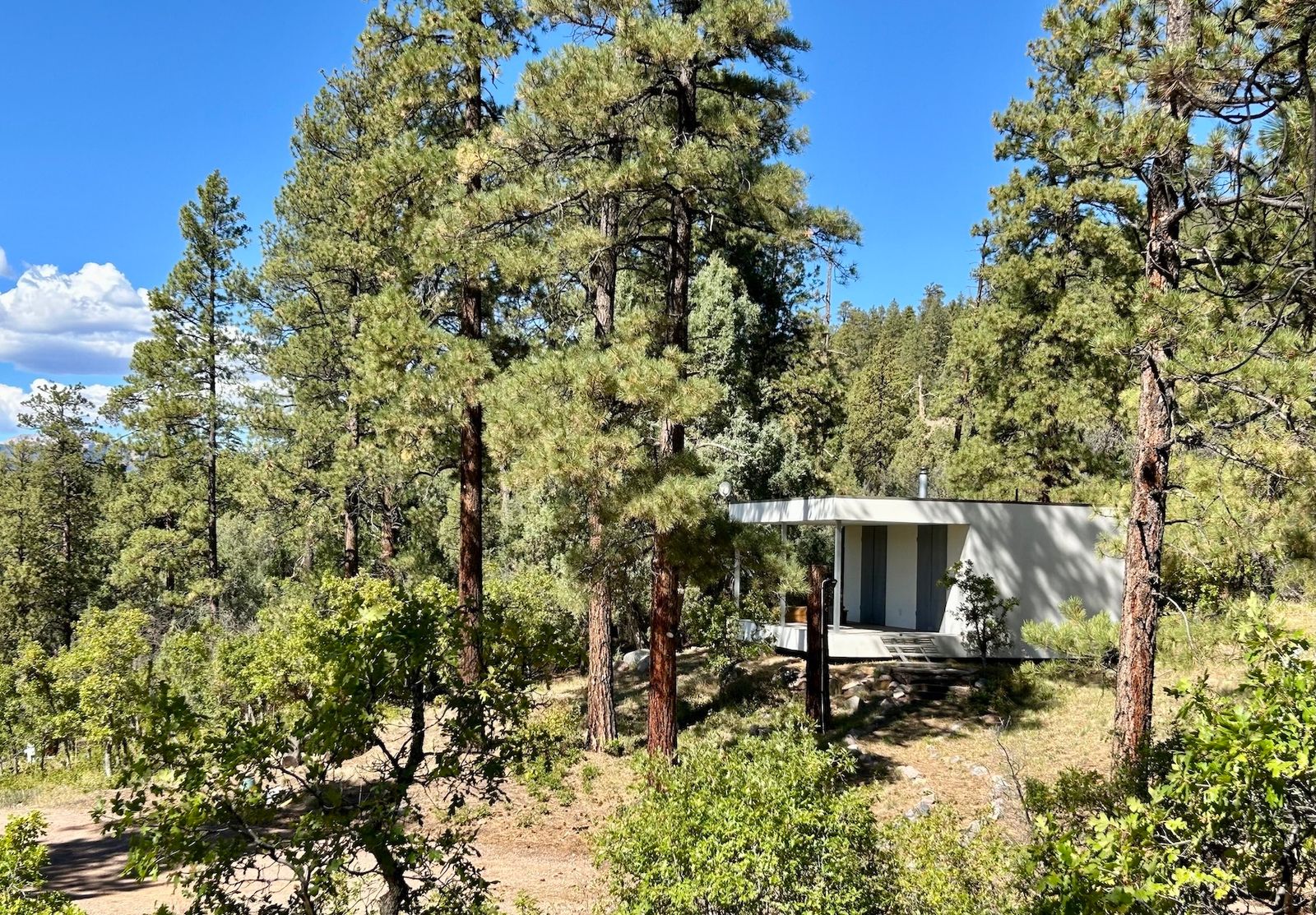
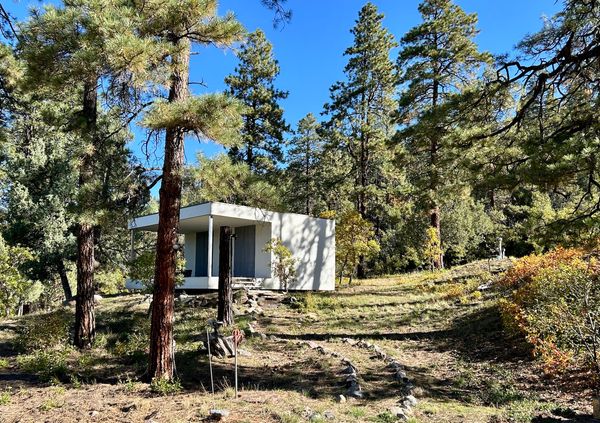
Located in Durango, the property includes a 625-square-foot cabin by Atkinson Architecture—and ample acreage for a larger home.

Location: 2326 Celadon Drive East, Durango, Colorado

Price: $1,800,000

Year Built: 2006

Architect: Stephen Atkinson

Footprint: 625 Square Feet (1 Bed, 1 Bath)

Lot Size: 35 Acres

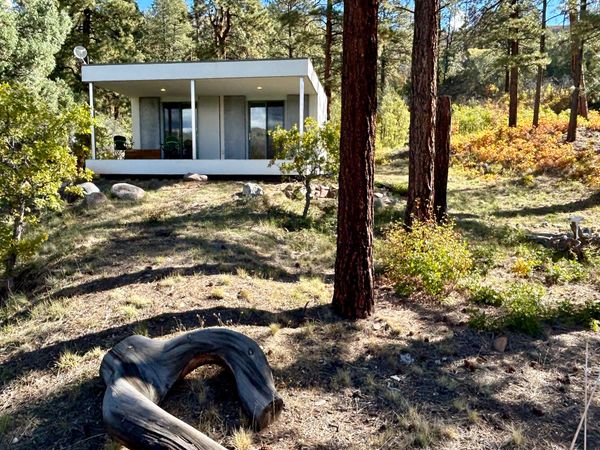
From the Agent: "This  35-acre property, set within the gated Celadon community, borders national forest land, providing privacy and direct access to outdoor recreation. The Celadon neighborhood is located in Southwest Colorado between the historic town of Durango and the Purgatory Ski Resort. From this elevated homesite, enjoy spectacular views across the Animas Valley to dramatic rock cliffs and sweeping mountain peaks beyond. Locally sourced aspen paneling, earthen plastered walls, an antique claw-foot bathtub, and woodstove create a warm, woodsy compliment to the contemporary design. The super energy-efficient building envelope features Icynene open-cell foam insulation. The exterior is constructed with durable, low-maintenance cement stucco. Utilities, including electric, natural gas, and a communication conduit, are installed at the cabin and ready for extension to a future custom home. A fully permitted and inspected septic system is in place, designed for both the existing cabin and a future three-bedroom residence."

The forested property has ample available land to build a larger home and adapt the cabin as a guest house.

The forested property has ample space to build a larger home and adapt the cabin as a guesthouse. 

Photo courtesy of Keller Williams Realty Southwest Associates

Photo courtesy of Keller Williams Realty Southwest Associates

The windows and doors have hinged steel shutters, securing the cabin when the future owners are elsewhere.

The cabin’s windows and doors have hinged steel shutters. 

Photo courtesy of Keller Williams Realty Southwest Associates

See the full story on Dwell.com: In Colorado, $1.8M Will Get You a Tiny House on a Massive 35-Acre Lot
Related stories:

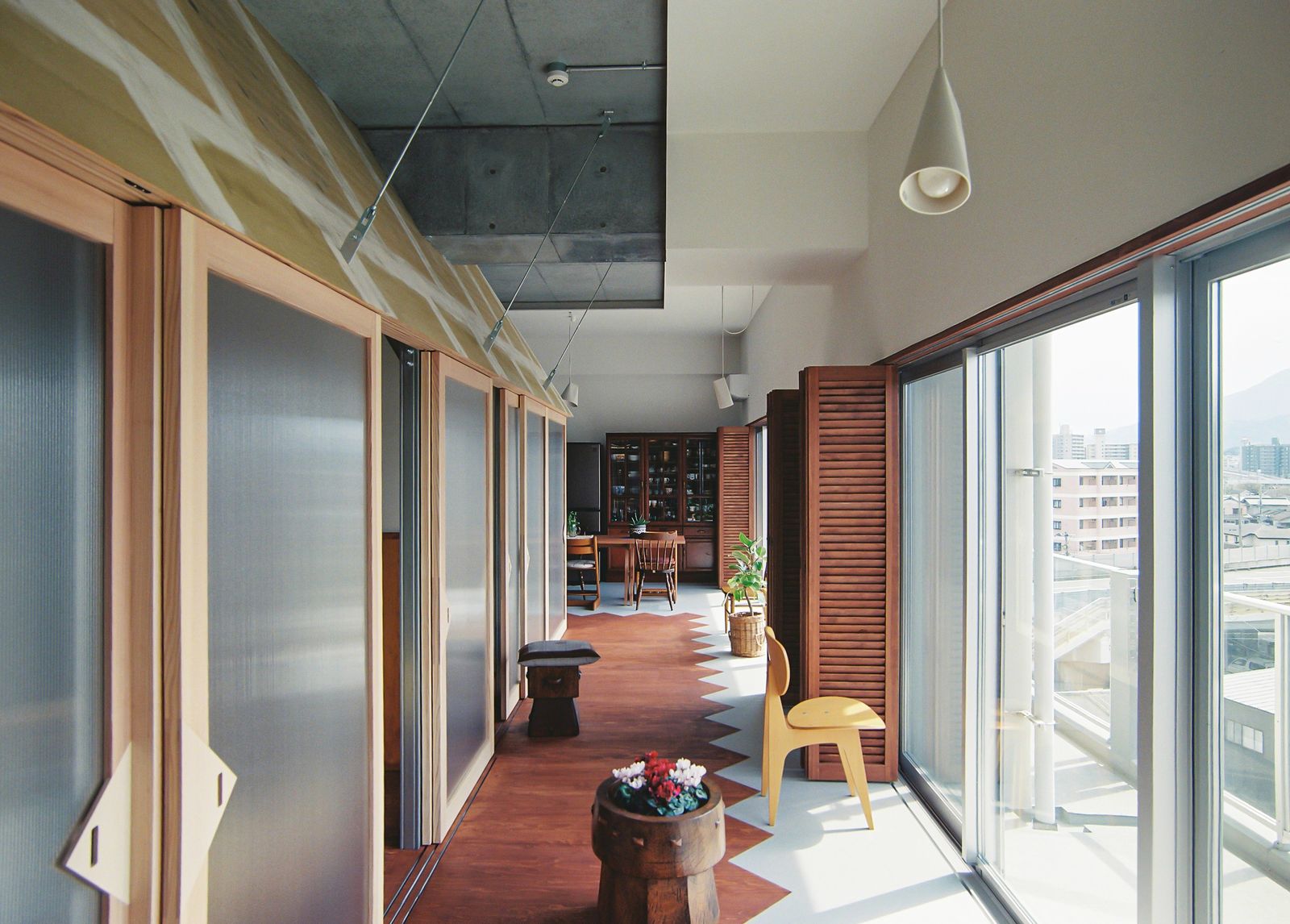
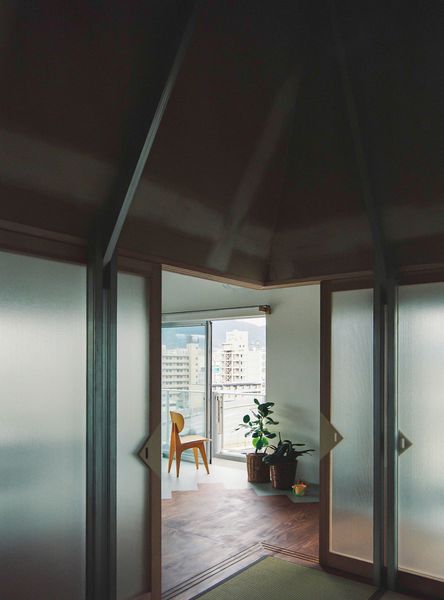
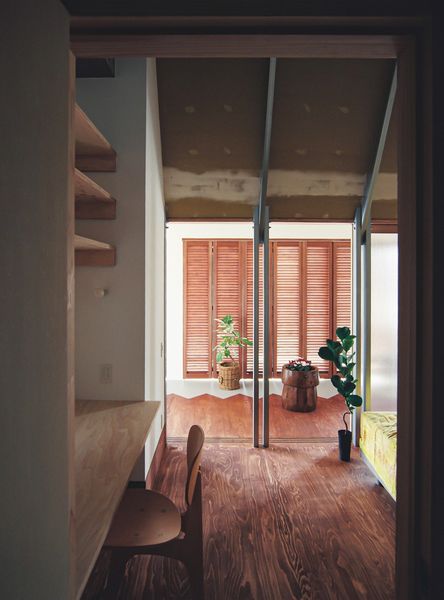
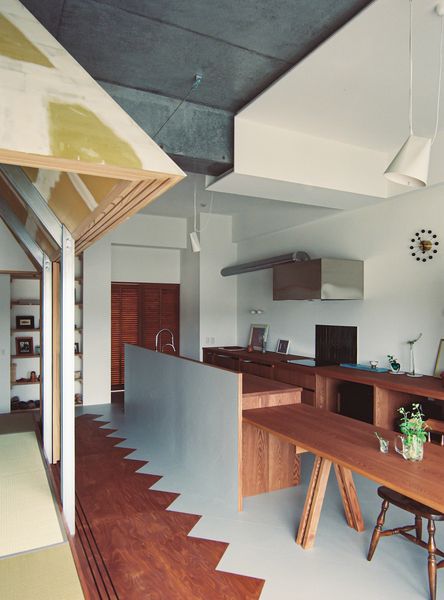
They Put a Mini House Inside This Sixth-Floor Apartment in Japan

A structure resembling the client’s childhood home holds a living area and bedroom, recreating the idea of an engawa around it.

Houses We Love: Every day we feature a remarkable space submitted by our community of architects, designers, builders, and homeowners. Have one to share? Post it here.

Project Details:

Location: Fukuoka prefecture, Japan

Architect: Kuma & Elsa / @kumaelsa

Footprint: 2,706 square feet

Builder: Azuma Kensetu

Structural Engineer: Kenichi Inoue Structural Engineers

Photographer: Shohei Kuma

From the Architect: "The client’s childhood home, a traditional Japanese house, has an engawa—a gallery open to the garden. There, she was immersed in the scent of fresh grass, the fragrances of the seasons, and even the smells drifting from his neighbors’ kitchens. The wish was to recreate that memory, this time in an apartment nearly 50 feet above the ground. We imagined a house open to the sky. The new residence occupies the top two floors of a building owned by the client. She, along with her two sons and their families, will move into three apartments located on the sixth and seventh floors. We were commissioned to design the client’s apartment on the sixth floor and one of his sons’ on the seventh. In this reinforced-concrete frame building, lined with balconies to the north and south, these two levels benefit from a generous ceiling height. They give the impression of new plots of land suspended in the urban sky.

"At the center of each apartment, we inserted a hut-like volume that gathers the quieter rooms: a small living room and the bedrooms. In the space carved out around it emerges an intermediate zone, an engawa that serves both as a place to stay and as a passage. Balcony, engawa, and hut thus form three spatial layers that resonate with the childhood home. To encourage natural ventilation and seasonal thermal comfort, the hut is punctuated with high-level openings. But where do the rooms begin, and where does the passage end? As if to embody this ambiguity of boundaries, the wooden floor extends beyond the hut and interlocks in a sawtooth pattern with the engawa’s tiles. Materials blend together, as do uses of the space.

"Although recently completed, the apartments deliberately retain a sense of incompletion. The white-painted surfaces, which suggest a finished state, are limited to the areas where thermal insulation has been reinforced. Inside the huts, large expanses of exposed gypsum board walls are left open to the inhabitants’ appropriation, so that their future choices may take root. The structure consists of Y-shaped modules made of lightweight steel sections and bracing cables, typically used in shelving systems. These modules are arranged two-by-two in mirrored pairs along a regular grid, with occasional inversions. They are fixed to the floor and ceiling slabs of the building’s structural frame and are structurally stable, requiring no additional bracing to withstand earthquakes. From these new dwellings, one can look down across the street at the engawa of the childhood home."

Photo by Shohei Kuma

Photo by Shohei Kuma

Photo by Shohei Kuma

See the full story on Dwell.com: They Put a Mini House Inside This Sixth-Floor Apartment in Japan